


|
Friends of Vocational Technical & Agricultural Education,
We are excited to share this piece from “The Enterprise” concerning a Greater New Bedford Regional Vocational Technical High School graduate who is currently an Admissions Liaison at Southeastern Regional Vocational Technical High School. A wonderful example of the power of Chapter 74 vocational technical & agricultural education to change lives and create pathways out of poverty.
Cameron Costa is just one of so many success stories. This is particularly true for youth enrolled in vocational technical schools in our gateway cities! Certainly, shines a spotlight on the urgent need for expanded access to nationally renowned “Massachusetts Chapter 74 vocational technical & agricultural education”.
We thank Cameron for sharing his story.
David
Vocational school alum used schooling to find path out of poverty
Jacob Posner The Enterprise March 4, 2026, 5:02 a.m. ET
<![if !vml]>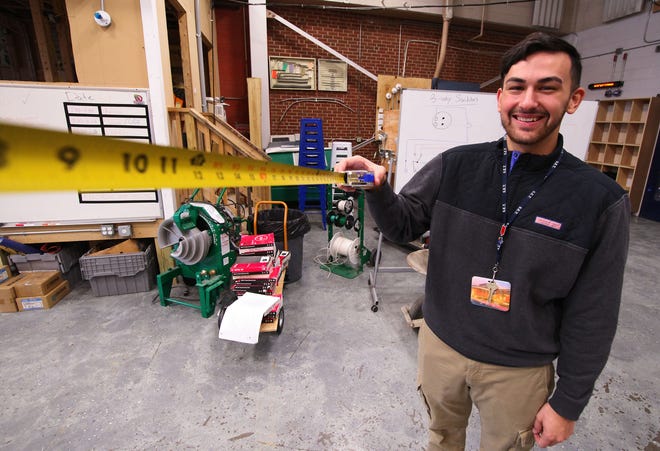 <![endif]>
- Career technical high schools can create opportunity for economic mobility for students from low-income backgrounds.
- Interest in Massachusetts career technical schools has grown, with enrollment up 24% in the last 15 years.
EASTON — A culinary program at a career technical high school helped Cameron Costa escape the poverty he experienced as a child.
“I grew up very poor, and so it allowed me an opportunity to make money at an early age, to make sure I always had access to food, and really create an opportunity for my family to get out of that struggle,” he said.
Now an admissions liaison at Southeastern Regional Vocational Technical High School, he has seen that many students apply to the school in search of financial stability.
Before all career technical schools in the state were required to admit students by lottery, Costa said he did admissions interviews for about 1,600 applicants to Southeastern. He’s met kids who wanted to learn how to fix a toilet because their landlord wouldn’t; kids who wanted to fix their families’ unreliable cars; and kids who wanted to start supporting their families as soon as they could.
“There’s countless stories of students that had talked about being homeless, and they felt that pressure to come to our school … because it was a school that gave them an opportunity to help their families get out of the position they were in,” he said.
Growing interest in career technical programs
Interest in career technical high schools in Massachusetts has grown considerably in the last 15 years or so. Enrollment has grown around 24% in that time, with waitlists in the thousands, according to the Pioneer Institute.
Southeastern admitted around 33% of all applicants for this year’s freshman class.
Costa said students at Southeastern are often motivated to do programs with high earning potential.
“This is why I think some of our programs, like electrical, like plumbing, like carpentry, like medical, like nursing, are so popular for students,” he said. “They’re commonly known to make a good amount of money.”
Costa faced housing insecurity as a child
Costa, who is from New Bedford, experienced housing insecurity growing up.
“There were many times growing up where we were either living in my mom’s car, or we were couch-surfing,” he said. “During some of those winter months, every once in a while, if it snowed, we would actually go and wait in a hospital room just to try and escape some of those cold winter nights.”
They used government assistance for food and healthcare. His mom eventually secured housing through the state, he said, which enabled her to get her master’s degree, and ultimately buy a home through a first-time homebuyer program.
<![if !vml]>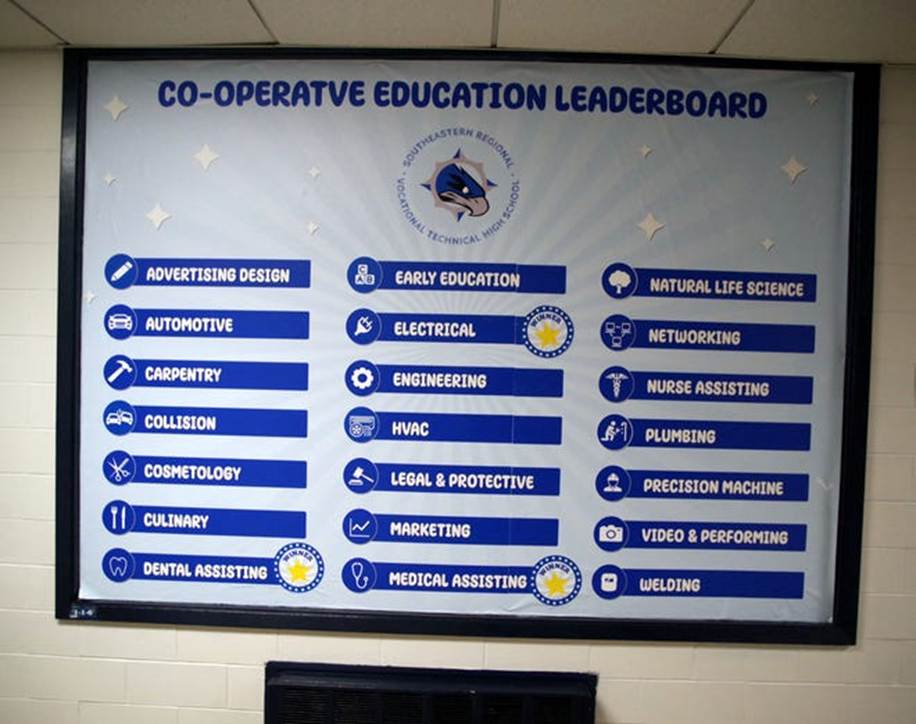 <![endif]>Looking ahead Southeastern set to expand enrollment, programs
Gaining valuable job skills for the present and future
When Costa was considering which high school to go to, he went to an open house for Greater New Bedford Vocational Technical High School.
“It just felt like the right environment to be in,” he said.
He said he enrolled in the culinary program to “learn how to make things out of very limited means."
He went on to undergraduate and graduate degrees in business and is now in law school. That whole time, he worked front-of-house restaurant jobs to support himself.
The skills Costa learned in the restaurant industry are transferable to all his jobs, he said.
“My ability to talk to people, my ability to communicate, to problem solve, to deal with difficult guests, all is equated to what I can transfer into my current role,” he said.
He said his restaurant experience could even help him argue in front of a judge.
“I equate it to trying to sell the most expensive item on a menu to a guest,” he said.
Chapter 74 Vocational Technical & Agricultural Education
LEARNING THAT WORKS FOR MASSACHUSETTS
David J. Ferreira
MAVA Communications Coordinator
DavidFerreira