


The Hottest High Schools in Massachusetts Are Trade Schools
With wait lists in the thousands, the state’s vo-tech campuses are highly sought after, even attracting many college-bound students
<![if !vml]>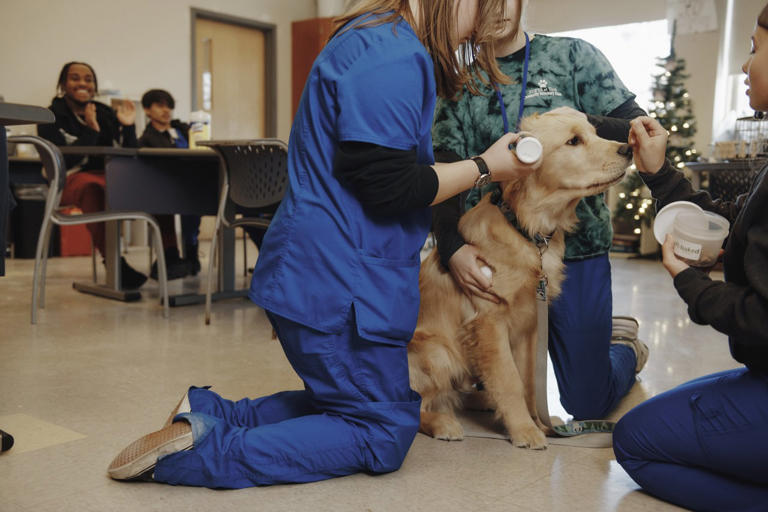 <![endif]>
Veterinary assisting students cleaning a dog’s ear at Worcester Technical High School in Massachusetts.
WORCESTER, Mass.—On a recent Tuesday here, high-schoolers watched a cat get an ultrasound at the on-campus veterinary clinic, practiced installing electrical wiring to power a building, repaired pipes on a water heater and fixed dents on a car hood.
That is a routine day at Worcester Technical High School, where hundreds of kids vie for admission. The wait list has run between 600 and 800 students in recent years, the principal said.
Vocational programs were long seen as places to silo academic underperformers into blue-collar work, administrators note. They recall unsavory nicknames and a persistent stigma. “In the 90s and early 2000s, we were trying to get whoever would come to us,” said Brian Potter, assistant principal at Worcester Tech.
Now, 5,000 to 10,000 students fill wait lists statewide, according to the Massachusetts Association of Vocational Administrators. Demand is so high that in May, the state said it would require trade schools to go to a lottery system for ninth-graders starting in fall 2026. (Many already do so).
“You’d see the enthusiastic eighth-grader dragging the skeptical parents” to open house events years ago, said Tom Hickey, the superintendent of South Shore Regional Vocational Technical High School. “Now I see equal enthusiasm.”
The schools aren’t prep academies funneling teens into elite universities. Many students pursue postsecondary education to advance their trade. Fatoke, the valedictorian, became a certified nursing assistant at Worcester Tech high school, and is now in college on a pre-med track. She wants to be an anesthesiologist.
Daryel Estrada, a plumbing student at Worcester Tech, wants to study business management at community college so he can open his own plumbing practice. “Put them all together,” the junior said of his skill set.
Jillian Hecking plans to become a veterinarian, which means college then vet school. As a veterinary assisting student at Nashoba Valley Tech, the junior already handles animals of all sizes, including cows her teacher brought to class. “We want to work with our hands, but we also strive for a higher education and learning,” she said.
Like many others, Hecking is the first in her family to go to vocational school. Her mother, Jennifer Hecking, now has more confidence that college will be worth the cost because her daughter already has a focus—and hands-on experience with it.
“They really teach you to want your education,” said Jennifer Hecking, a nurse who herself wishes she had attended vocational school.
Families like the Heckings are recognizing the upside, particularly as artificial intelligence disrupts the labor market. Ed Bouquillon noticed more students from affluent families at Minuteman Regional Vocational Technical High School in upscale Lexington as parents’ attitudes shifted. They realized their kids would have an advantage if they had a specialization they enjoyed, said Bouquillon, the now-retired superintendent.
<![if !vml]>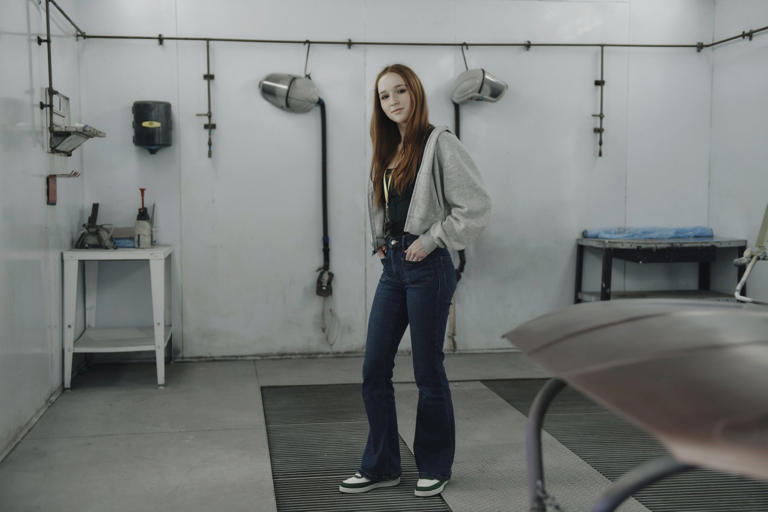 <![endif]>
Izabelle Doty, an auto-collision junior at Worcester Tech.
“If I decide I do want to go to college, I can always still have collision as something to go back onto,” said Izabelle Doty, an auto-collision junior at Worcester Tech.
Employers aren’t always happy when vocational students head to college. They invest time in them, anticipating they will remain with the company after high-school graduation. College-bound students can “rub the employers the wrong way,” said Worcester Tech principal Drew Weymouth. More than half of students there pursue postsecondary education.
Other students plan to forgo college but continue their certifications. At Nashoba Valley Tech, most grads enter the workforce directly. Mariyana Lords, a junior there, wants to do an apprenticeship to earn her journeyman electrician license.
“Any direction you want to go, your options are open,” said Denise Pigeon, superintendent of Nashoba Valley Tech.
To select a discipline, students rotate through programs during an exploratory first semester. They are then placed in a shop based on preference, grades and available seats. They split their time between traditional academics and shop work. There is still room for sports, clubs, AP classes and other school staples.
<![if !vml]>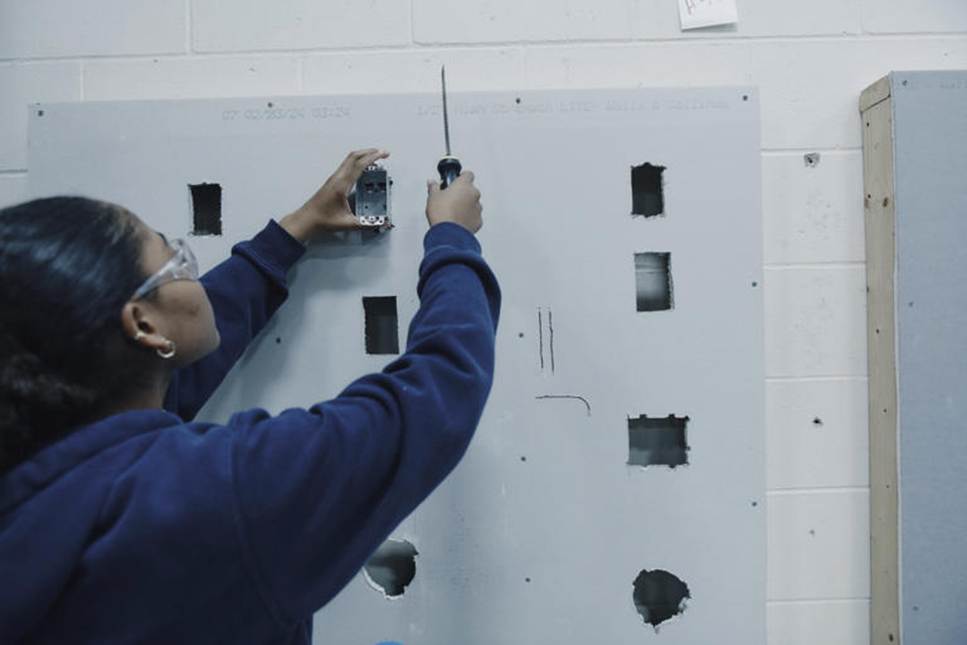 <![endif]>Mariyana Lords, a student of electrical technology at Nashoba Valley Technical High School.
<![if !vml]>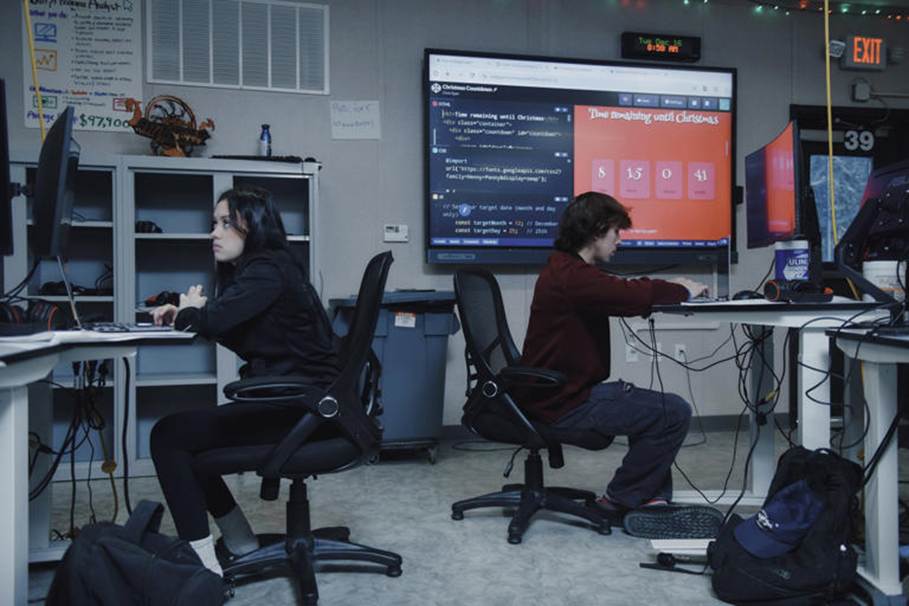 <![endif]>
The Programming and Web development department at Nashoba Valley Technical High School.
Massachusetts’ vocational education draws national attention. (“I want the nation to learn from Worcester Tech,” former President Barack Obama once said.) The state distinguished itself in part by requiring districts to have advisory committees that work closely with industry, said Steve Sharek, executive director of MAVA. This collaboration keeps trade schools aware of job-growth trends so they can adapt the curriculum, he said.
“This gold standard that we offer in Massachusetts,” said Eric Duda, the superintendent for Pathfinder Regional Vocational Technical High School. “It’s just a model for all.”
The demand has prompted fast expansion. Pathfinder Tech plans to lease a soon-vacant elementary school to add 150 seats and reduce its wait list.
Some vocational schools run car-repair shops and vet clinics that are open to the community; students schedule appointments and administer checkups (Nashoba Valley Tech principal Jeremy Slotnick recently got an oil change from the automotive students). Students say serving customers builds confidence.
<![if !vml]>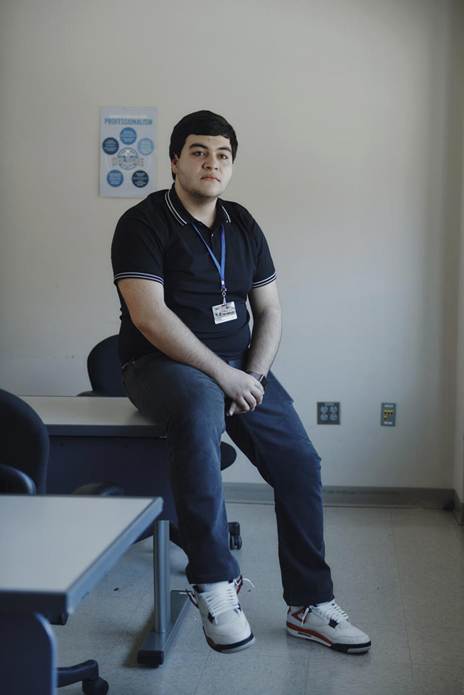 <![endif]>
Arsen Marutyan, a junior studying finance, marketing and business management at Worcester Tech.
“It makes you feel like a young professional,” said Arsen Marutyan, a junior studying finance, marketing and business management at Worcester Tech.
Duda, Pathfinder’s superintendent, has watched vocational education’s popularity soar. Open houses have grown so crowded the school added extra days. Duda said they need two police officers directing traffic, otherwise he fields complaints about cars blocking the intersection down the road.
“The word is out,” Duda said. “Once the best kept secret—now, not a secret.”
Write to Roshan Fernandez at roshan.fernandez
Chapter 74 Vocational Technical & Agricultural Education
LEARNING THAT WORKS FOR MASSACHUSETTS
David J. Ferreira
MAVA Communications Coordinator
DavidFerreira